Our centre is a virtual one, spanning institutions, groups, disciplines and career stages. Community-building therefore needs to be deliberate. People need to know how to find information, who to contact, where opportunities sit, and how to connect beyond their immediate team.
Our approach is built around three practical pillars:
- making REACT easier to navigate
- creating formal time together
- supporting informal and specialist connections
This research culture infrastructure makes it easier for people to participate, reduces reliance on informal networks, and helps REACT function as an integrated centre rather than a collection of individual projects.
Working from shared principles
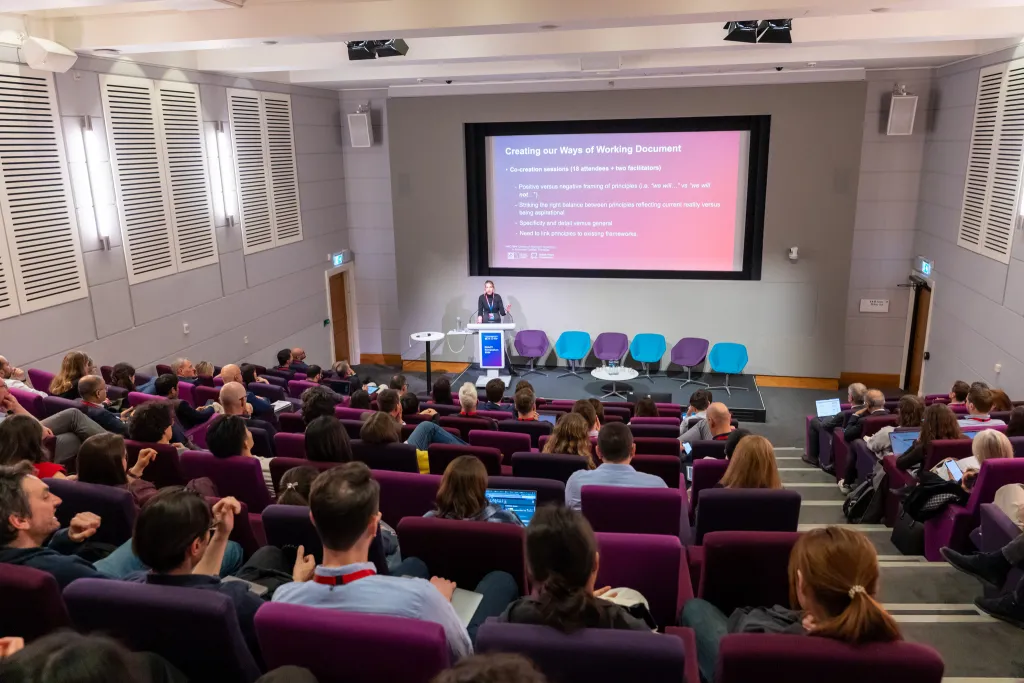
Our ways of working were developed with the community in early 2026 through a survey and open discussion sessions. They provide shared expectations around collaboration, inclusion, authorship, leadership and fair access to opportunities. Through the community-building work below, we have started putting these principles into practice.
Making REACT easier to navigate
Why?
Because REACT is a virtual and complex community, clear signposting is essential. Members need straightforward ways to navigate the centre, finding the information they need, and know who to contact. This supports accessibility and fairness by reducing reliance on informal networks and helping people feel part of REACT.
What?
We have created central routes for signposting and communication, including our website, internal SharePoint site, mailing list and central REACT team contact routes. New members are added to key channels as they join, and the SharePoint site gives members a central place to find information about events, opportunities, contacts and resources.
Impact:
Early evidence suggests these routes are becoming useful community infrastructure. REACT members have used the mailing list to ask the wider community for input and support. Central sign-up and travel reimbursement for the first annual symposium enabled places to be filled. Central information has also helped members see and join activity such as Special Interest Groups.
Creating formal time together
Why?
Regular, dedicated time together helps strengthen relationships across REACT and build a shared centre identity. We want people to understand who is who, including our directors, researchers at all stages of their career, and operations team.
What?
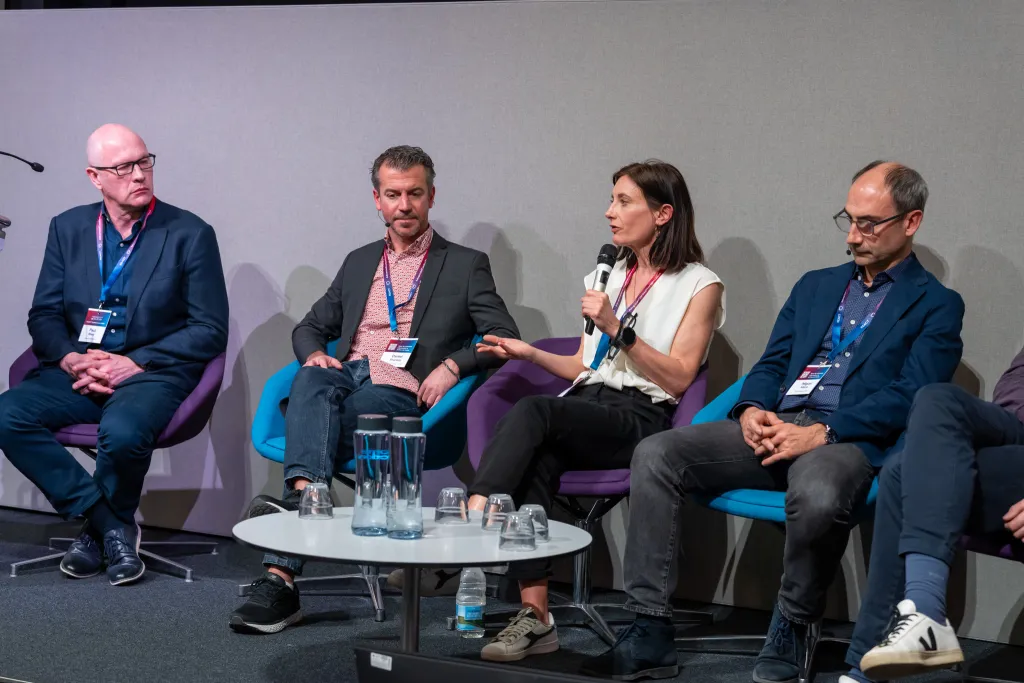
Our designated one-hour Thursday sessions give the community an opportunity to hear what is happening across the centre, understand how projects connect to the wider REACT mission, become more familiar with colleagues across sites, and get input into their work.
So far, the programme has included principal investigator introductions, early career researcher project updates with opportunities for shared problem-solving, and masterclasses on specific topics and approaches.
Impact:
Together, these sessions have helped build shared understanding across the centre and created a route for early career researchers to share work in progress and receive input from the wider REACT community.
Supporting informal and specialist connections
Why?
Because REACT is relatively broad in focus, we need dedicated spaces where people with specific shared interests can meet and build closer working relationships.
What?
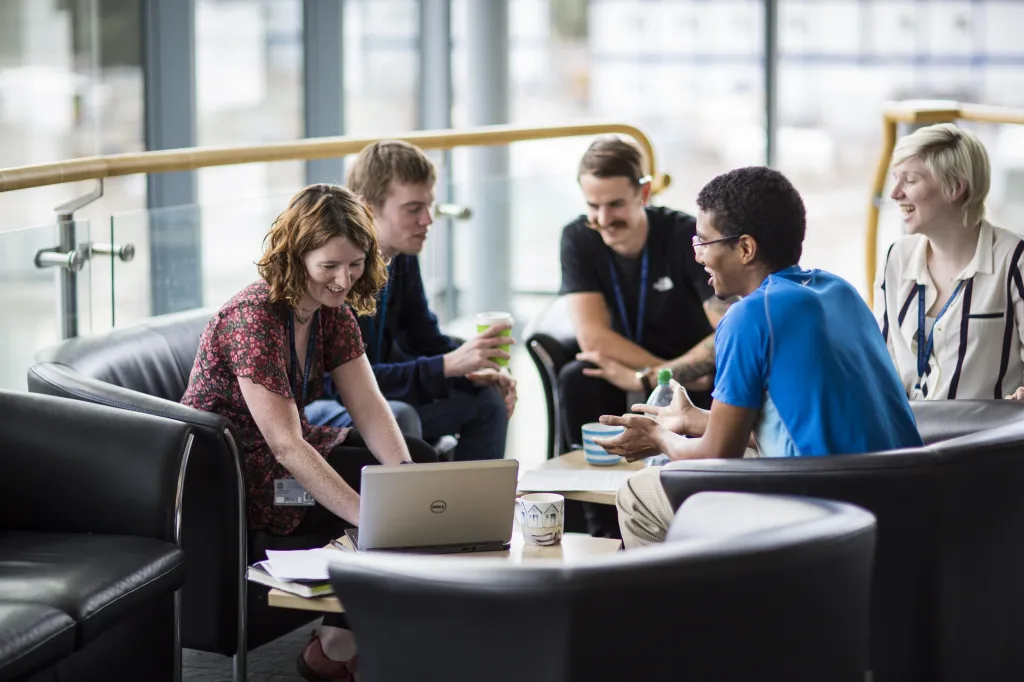
REACT Random Researcher Rounds (R4) matched researchers for informal conversations during our set-up phase, while our now-established Special Interest Groups (SIGs) provide focused spaces around shared interests, including lymphangiogenesis, clinical perspectives and in vivo imaging. Members can propose new groups through the operations team, with light-touch central support where useful. Further activity, including an ECR-led SIG, mentoring processes and funded site visits, will create additional routes for people to build more specific connections across REACT.
Impact:
Researchers across REACT are increasingly making connections that support meaningful and specialist collaboration. The lymphangiogenesis SIG is an early example of members using REACT structures to take forward an area of shared interest with direct relevance to the centre’s mission. These collaborations remain grassroots, but REACT has helped create the conditions for them to emerge.
Looking ahead
These three pillars provide a stable structure for building a strong and connected community, while allowing the specific activities within them to adapt as needs change. We will continue to gather evidence of reach and impact through community feedback and participation data, so that our community-building activity remains purposeful and aligned with our longer-term ambitions for both science and culture.