Existing treatments based on small chemical molecules can maintain surviving heart muscle and sustain function after a heart attack, but cannot undo the damage.
New advanced cardiac therapies - innovative DNA and RNA-based genetic medicines - will meet the urgent need to regenerate injured hearts and reverse established damage.

We aim to discover and target fundamental processes that drive heart failure and regulate cardiac regeneration. Our therapeutic products will leverage endogenous reparative processes to generate new heart muscle, promote vessel formation and resolve fibrosis.
DNA and RNA-based treatments will be administered to the heart using innovative nanoformulations and viral vectors, for patients with recent myocardial infarction and/or with heart failure with reduced ejection fraction.
Our research strategy encompasses projects tackling three key challenges that scientists and clinicians must overcome to deliver a new class of advanced cardiac therapies for heart attack and failure.

Expertise across REACT spans key biological processes including cardiomyocyte proliferation, angiogenesis and immunomodulation, and modulation of fibrosis as well as technological advances in imaging, bioinformatics and artificial intelligence.
As we integrate this work and form new collaborations, we will build a unique interdisciplinary ecosystem that accelerates translation from lab-based discovery research to clinical trials.
The new genetic therapies that result should be globally applicable and affordable, so they can be rolled out at cost and embedded in healthcare systems - a transformative outcome for the tens of millions of people affected by heart failure worldwide.

Target discovery
We are identifying, prioritising and validating therapeutic nucleic acids that will leverage endogenous reparative processes to generate new heart muscle, promote vessel formation and resolve fibrosis.
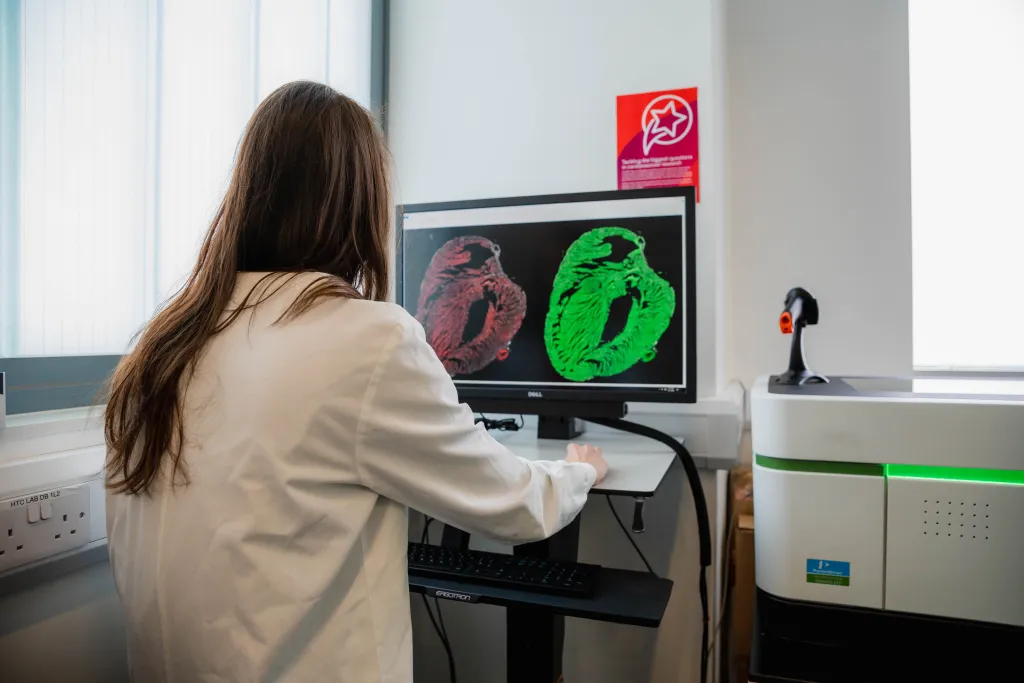

Cardiac delivery
We are developing cardiac-specific targeting mechanisms to administer therapeutic nucleic acids to the heart using innovative nanoformulations and viral vectors.


Clinical translation
We are building a pipeline to test and evaluate new medicines based on therapeutic nucleic acids and readying ourselves for a structured approach to clinical trials.

Our approach
We are building a network of leading researchers and a positive, collaborative environment across all of our partner organisations.
This will provide a strong foundation for team science, training and career development, and open and engaged research.
Our funders